

Updates
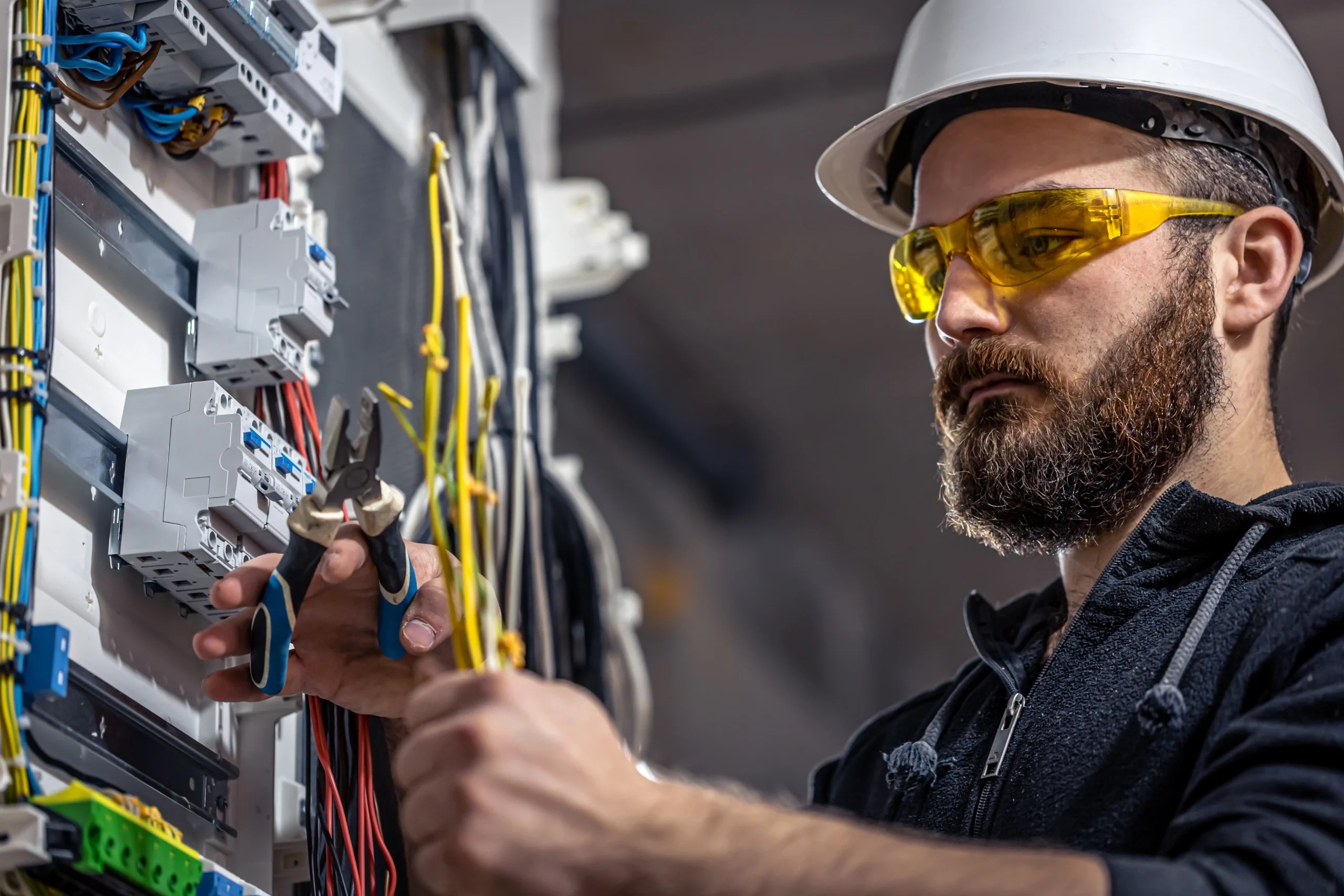
Expanding a business often involves adding equipment, renovating workspaces, increasing staffing, or opening new operational areas. While these improvements create opportunities for growth, they can also place additional demands on existing electrical systems. Commercial buildings rely on properly designed wiring, circuits, panels, and protective devices to support daily operations safely. Before installing new machinery, expanding office space, or remodeling a commercial property, business owners should consider whether their electrical infrastructure can accommodate the planned changes. This guide explains why electrical evaluations matter during business expansion, what warning signs deserve attention, and how professional electrical contractors can help businesses prepare for future power requirements.

Outdoor electrical systems support many everyday activities, from landscape lighting and patio entertainment to power tools and outdoor appliances. However, Florida’s rain, humidity, storms, and changing weather conditions can expose electrical components to additional challenges. Outlets, switches, lighting fixtures, and wiring must be properly selected, installed, and maintained to reduce potential hazards. This guide explains why outdoor electrical safety matters, how GFCI protection works, which warning signs deserve professional attention, and when homeowners should consider electrical improvements. Learn how Down South Electricians helps Florida property owners maintain dependable electrical systems for outdoor living spaces.
Frequent circuit breaker trips can interrupt daily business operations, affect equipment performance, and signal problems within a commercial electrical system. Although a breaker may trip because too many devices are operating on the same circuit, other possible causes include faulty equipment, damaged wiring, ground faults, and electrical panel issues. For Florida businesses, recognizing these warning signs is especially important when electrical systems support essential lighting, computers, machinery, and other equipment. This guide explains why circuit breakers trip, what business owners should avoid doing, and how professional electrical troubleshooting can help identify problems before they lead to more serious disruptions.
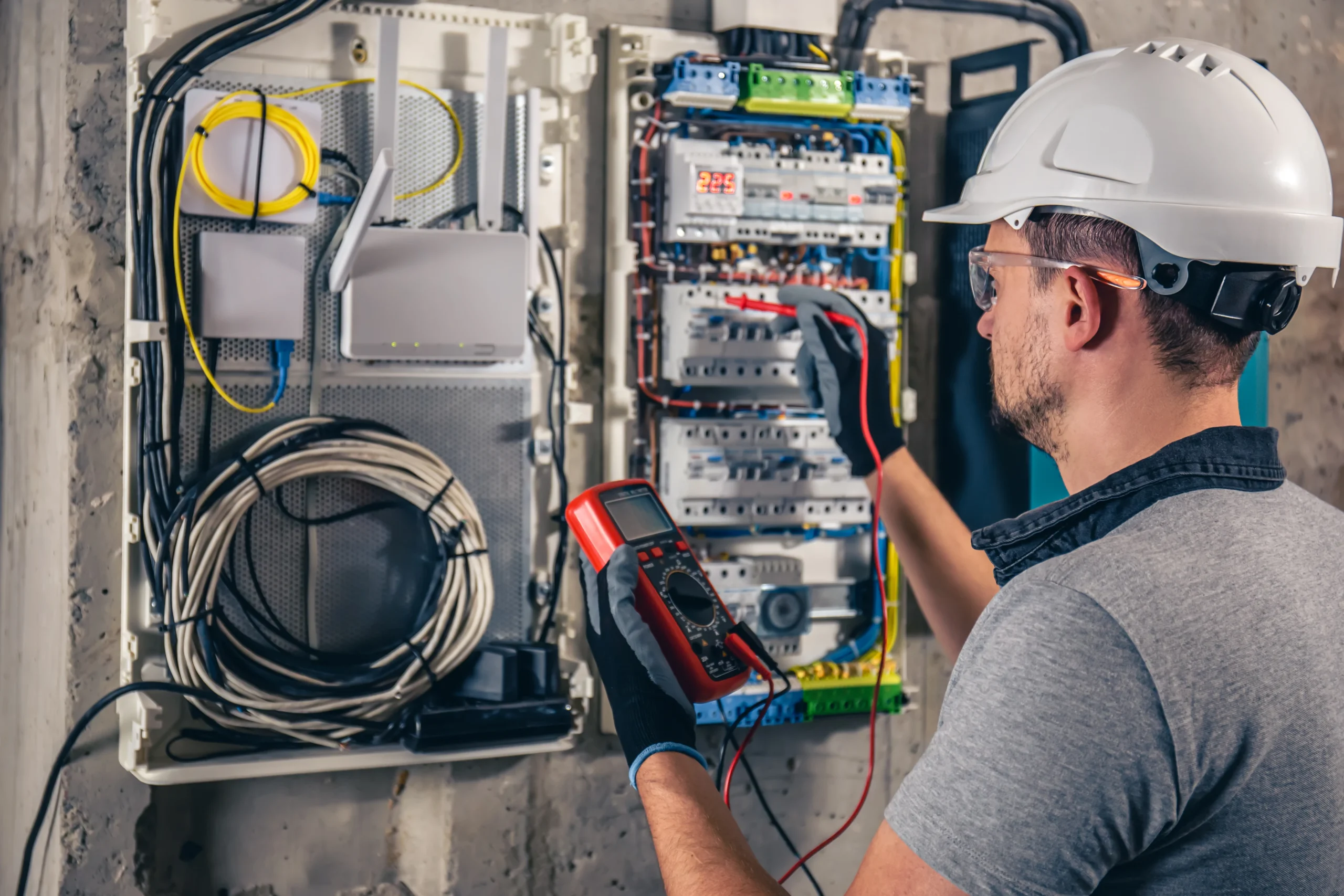
Commercial HVAC equipment depends on a reliable electrical system to operate efficiently and consistently. From rooftop air conditioning units to ventilation equipment and building controls, electrical capacity, wiring, circuits, and protective devices all influence how these systems function. For South Florida business owners and property managers, understanding the relationship between HVAC equipment and electrical infrastructure can help prevent unexpected disruptions and support better maintenance planning. This guide explains common electrical concerns associated with commercial HVAC systems, what to consider before upgrading equipment, and why professional electrical evaluations are important for commercial properties.

Modern Florida homes contain more electronics than ever, from televisions and computers to appliances, HVAC equipment, smart-home devices, security systems, and charging equipment. A power surge can expose these devices to a sudden increase in voltage, and not every surge originates from a dramatic lightning strike. Utility events and equipment operating within the home can also contribute to voltage fluctuations. Whole-house surge protective devices are designed to provide a layer of protection at the electrical system level, while additional point-of-use protection may be appropriate for sensitive equipment. Understanding how surge protection works can help Florida homeowners decide whether their current electrical system provides the level of protection they want.

The way homes and businesses use electricity has changed considerably. Larger appliances, multiple televisions and computers, charging devices, HVAC equipment, smart-home technology, commercial machinery, modern lighting, and other electrical loads can place demands on systems that were designed for a different era or a smaller property. An electrical system doesn’t necessarily need an upgrade simply because it is older, but recurring breaker trips, limited circuits, renovation plans, new equipment, or increasing power needs can be reasons to have the system evaluated. Understanding electrical capacity before adding major loads can help Florida property owners plan improvements more carefully and determine whether panels, circuits, outlets, wiring, or other components need professional attention.